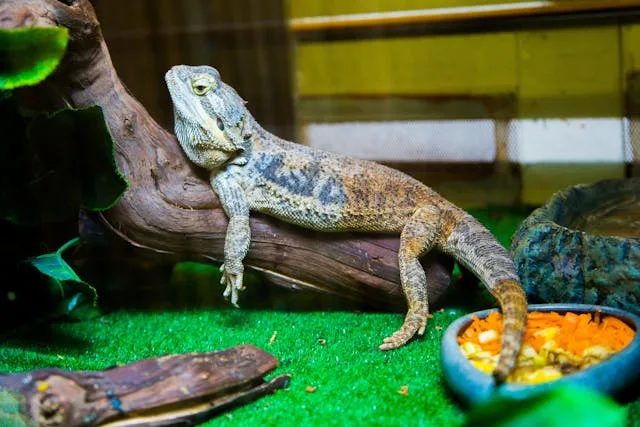
Reptiles have become increasingly popular pets over the last few decades. From snakes and lizards to turtles and geckos, these animals offer something different from traditional pets like dogs and cats. They are quiet, often low maintenance, and fascinating to observe. But owning a reptile is not as simple as setting up a tank and adding food.
Before bringing one home, it is important to understand both the benefits and the challenges. Reptiles can make excellent pets for the right person, but they are not ideal for everyone.
The Pros of Owning a Reptile
One of the biggest advantages of reptiles is that they are generally quiet. They do not bark, meow, or make constant noise. This makes them suitable for apartments or shared living spaces where noise can be an issue.
Reptiles also require less daily attention compared to many mammals. While they still need proper care, most reptiles do not crave social interaction in the same way a dog does. This can be appealing for busy individuals who want a pet but cannot commit to daily walks or constant companionship.
Another benefit is cleanliness. Reptiles are typically housed in enclosures, which helps contain mess. Many species only need to be fed a few times per week, and some snakes eat as little as once every seven to ten days. This reduces daily maintenance.
Reptiles can also live a long time. Some turtles and tortoises can live for decades. Even smaller reptiles like certain geckos can live 10 to 20 years with proper care. For someone looking for a long-term companion, this can be a positive.
Finally, reptiles are fascinating. Watching a snake move, a chameleon change color, or a bearded dragon bask under a heat lamp can be both calming and educational.
The Cons of Owning a Reptile
Despite their appeal, reptiles come with specific challenges. One major factor is habitat setup. Reptiles require carefully controlled environments, including proper heating, lighting, and humidity levels. Special UVB lighting is often necessary to prevent health issues. Setting up a proper enclosure can be expensive upfront.
Feeding can also be a drawback for some people. Many reptiles eat live or frozen prey such as insects or rodents. Not everyone is comfortable handling crickets or storing frozen mice in the freezer.
Another consideration is veterinary care. Not all veterinarians specialize in reptiles. Finding an experienced exotic animal vet can be more difficult and sometimes more costly than routine care for dogs or cats.
Reptiles are also not typically affectionate. While some species tolerate handling, most do not seek out human interaction. If you are looking for a pet that cuddles or shows obvious excitement when you enter the room, a reptile may not meet that expectation.
Finally, their long lifespan can become a burden if life circumstances change. Moving, changes in work schedule, or shifting family dynamics can make long-term reptile care more complicated than expected.
Is a Reptile the Right Pet for You?
Choosing a reptile as a pet requires research and commitment. Different species have different needs. A leopard gecko has very different care requirements compared to a ball python or a red-eared slider turtle. Understanding those needs before purchasing is essential.
Reptiles are best suited for owners who appreciate observation over interaction and are willing to invest time in learning proper husbandry.
Conclusion
Reptiles can make rewarding and unique pets, but they are not low-effort decorations. They require specific environmental conditions, proper feeding, and long-term commitment. For individuals who enjoy learning about animal behavior and are comfortable with specialized care, reptiles can be fascinating companions. However, for those seeking high interaction or minimal setup, a more traditional pet may be a better fit. Carefully weighing the pros and cons will help ensure both you and your future pet thrive.