


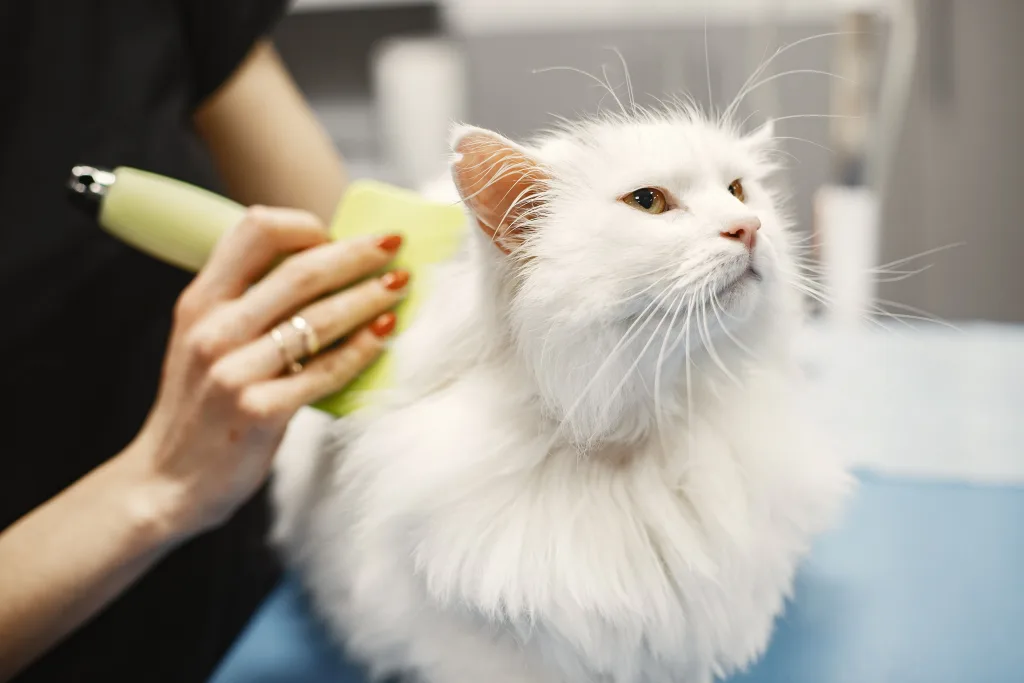
How to Handle Matted Fur in Pets
Matted fur is a common grooming problem in pets, especially those with long, thick, or curly coats. When loose hair becomes tangled and forms tight clumps, it can trap dirt, moisture, and debris close to the skin. Severe mats may become uncomfortable or even painful, so dealing with them early is an important part of responsible pet care.
What Causes Matted Fur?
Mats usually develop when loose hair is not brushed regularly. Friction around areas such as the ears, neck, legs, armpits, and tail can make tangles worse. Moisture from bathing, swimming, or wet weather can also cause hair to clump together. Pets that are less active, older, or unable to groom themselves effectively may be more likely to develop mats.
Check the Mat Before Removing It
Before attempting to remove a mat, examine how close it is to your pet’s skin. Small, loose tangles may be manageable at home, while large, dense mats that are firmly attached to the skin require greater caution. Never pull aggressively, because the skin can easily be injured.
If your pet shows signs of pain, tries to bite, cries, or becomes extremely uncomfortable during grooming, stop and consider contacting a professional groomer or veterinarian.
How to Remove Small Mats Safely
Start by keeping your pet calm and comfortable. Use your fingers to gently separate loose sections of the mat. A pet-safe detangling spray can help reduce friction. Work from the outer edge of the tangle toward the skin rather than trying to brush through the entire mat at once.
A slicker brush or appropriate grooming comb can be useful for gradually loosening smaller tangles. Take frequent breaks, reward your pet, and avoid forcing the process.
When Clippers Are Safer
Severely matted fur may need to be clipped rather than brushed out. Professional groomers have the experience and equipment to remove difficult mats while minimizing the risk of skin injuries.
Avoid using household scissors to cut close to a mat. Pet skin can become pulled upward into tangled hair, making it surprisingly easy to cut the skin accidentally. If a mat is tight against the body, professional removal is usually the safest choice.
Preventing Future Mats
Regular brushing is the best way to prevent matting. The appropriate brushing frequency depends on your pet’s coat type, but long-haired pets often need grooming several times a week or even daily. Pay particular attention to areas where friction and tangling commonly occur.
Keep the coat clean and completely dry after bathing. Regular professional grooming may also help pets with coats that are particularly prone to tangles.
Watch the Skin After Mat Removal
Once a mat has been removed, check the exposed skin for redness, swelling, sores, unpleasant odor, or irritation. Mats can hide skin problems underneath them. If you notice wounds, persistent redness, discharge, or signs of infection, contact a veterinarian.
Conclusion
Handling matted fur requires patience, gentle grooming, and an understanding of your pet’s coat. Small tangles can often be managed with careful brushing, while severe mats are best handled by a professional. With consistent grooming and regular skin checks, you can keep your pet’s coat healthier, more comfortable, and easier to maintain.