


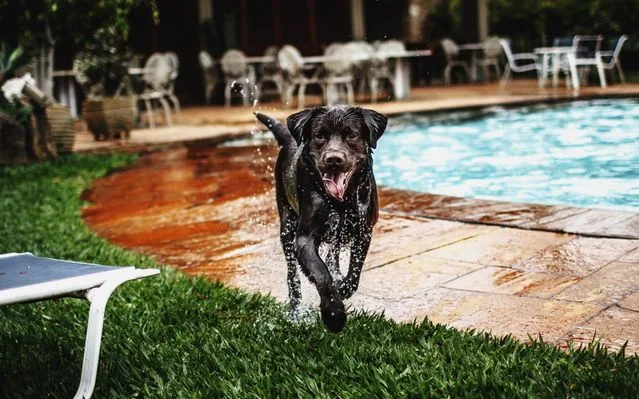
Why Pool Safety Matters During Summer
Summer brings warm weather, outdoor activities, and plenty of opportunities for dogs to cool off in swimming pools. While many dogs enjoy swimming and playing in the water, pools can also present certain risks if proper precautions are not taken. Drowning, dehydration, chemical exposure, and heat-related illnesses are all concerns that pet owners should keep in mind.
Understanding pool safety helps ensure that your dog stays healthy and enjoys the summer season safely. By taking a few preventive measures, you can create a fun and secure environment for your furry companion.
Teach Your Dog How to Swim
Not all dogs are natural swimmers. While some breeds are comfortable in the water, others may struggle due to their body shape, age, or health conditions. Introduce your dog to the pool slowly and never force them into the water.
Allow your dog to enter using shallow steps and remain nearby during the first few swimming sessions. Positive reinforcement, treats, and praise can help build confidence. Consider using a canine life jacket for puppies, senior dogs, or breeds that are not strong swimmers.
Teaching your dog how to safely enter and exit the pool is equally important. Make sure they know where the steps or ramps are located.
Never Leave Your Dog Unsupervised
Constant supervision is one of the most important aspects of pool safety. Even experienced swimmers can become tired, panic, or experience difficulty in the water. Dogs may also accidentally fall into the pool while playing nearby.
Always keep an eye on your dog when they are near the water. If you need to leave the area, bring your pet with you. Pool fences, safety covers, and self-closing gates can provide additional protection and prevent accidental access.
Protect Your Dog from Pool Chemicals
Swimming pool chemicals such as chlorine are generally safe in small amounts, but excessive exposure may irritate a dog’s skin, eyes, and digestive system. Prevent your dog from drinking large amounts of pool water, as this can lead to stomach upset or chemical ingestion.
Provide fresh drinking water near the pool to encourage proper hydration. After swimming, rinse your dog with clean water to remove chlorine, salt, or other chemicals from their coat and skin. Dry their ears thoroughly to reduce the risk of ear infections.
Prevent Heat-Related Problems
Hot summer temperatures can quickly lead to overheating. Dogs can become dehydrated or develop heat exhaustion if they spend too much time in direct sunlight.
Provide shaded areas near the pool where your dog can rest and cool down. Offer frequent water breaks and limit activity during the hottest parts of the day. Watch for signs of overheating, including excessive panting, weakness, drooling, or confusion.
Regular breaks between swimming sessions can help prevent fatigue and keep your dog comfortable.
Keep the Pool Area Safe
A clean and secure pool area reduces the risk of accidents. Remove slippery objects, pool toys, and obstacles that could cause falls. Store pool chemicals and cleaning supplies in a safe location away from pets.
Inspect fences, gates, and pool covers regularly to ensure they remain in good condition. Teaching family members and guests about pet pool safety can also help prevent accidents.
Conclusion
Summer pool time can be an enjoyable experience for both dogs and their owners when proper safety measures are followed. Supervision, swimming lessons, hydration, and protection from heat and chemicals all contribute to a safer environment. By taking these precautions, you can help your dog stay healthy, comfortable, and happy while enjoying the fun of the swimming pool throughout the summer season.