


Winter Pet Grooming: Dos and Don’ts
Winter can be tough on pets, especially when it comes to maintaining their coat, skin, and overall hygiene. Cold air, low humidity, and indoor heating can all affect your pet’s comfort. Grooming during this season is not just about keeping your pet clean, it also helps protect them from common winter-related issues.
Why Winter Grooming Matters
During winter, pets often grow thicker coats to stay warm. While this natural layer offers protection, it can also trap dirt, moisture, and loose fur. If not maintained, this can lead to matting and skin irritation. Regular grooming helps keep the coat healthy and allows you to check for any hidden problems like dryness or infections.
Do Brush Regularly
Brushing your pet’s coat is one of the most important winter grooming habits. It helps remove loose hair, prevents tangles, and improves blood circulation. For long-haired pets, daily brushing may be necessary, while short-haired pets can be brushed a few times a week.
Regular brushing also spreads natural oils across the skin, which helps combat dryness caused by cold weather and indoor heating.
Don’t Over-Bathe Your Pet
It might seem like frequent baths will keep your pet cleaner, but over-bathing can strip away natural oils from their skin. This can lead to dryness, itching, and irritation. During winter, try to limit baths to when they are truly needed.
When you do bathe your pet, use lukewarm water and a mild, pet-friendly shampoo. Make sure to dry them thoroughly before they go outside or rest in a cool area.
Do Keep the Coat Trimmed, Not Shaved
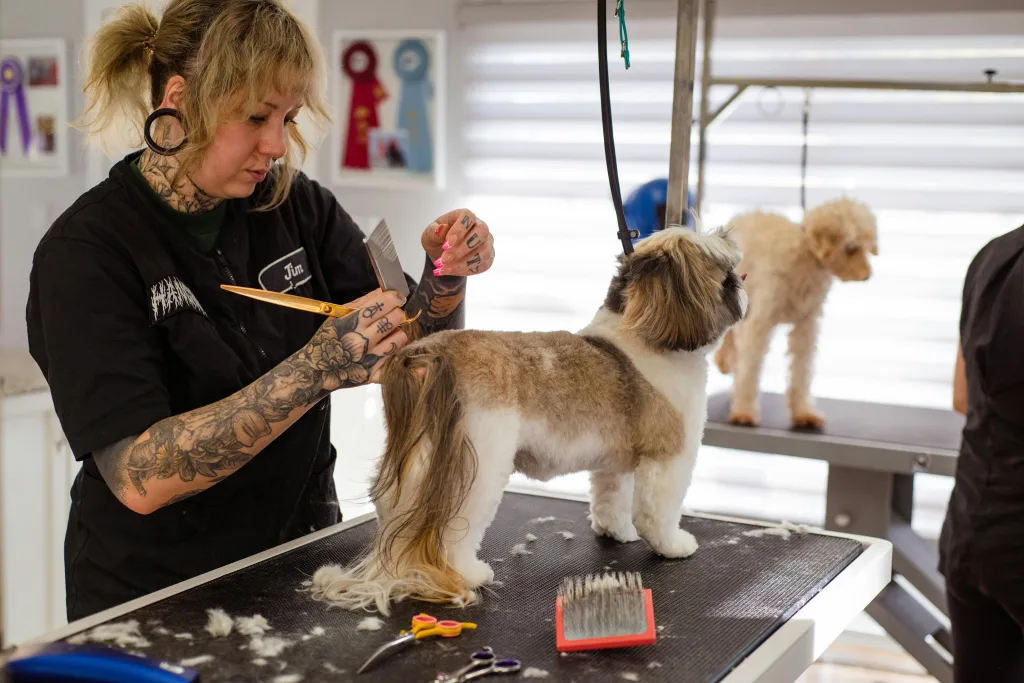
While it’s important to manage your pet’s coat, avoid shaving it completely during winter. A pet’s coat acts as insulation against the cold. Instead of shaving, opt for light trimming to keep the fur neat and manageable.
Trimming also helps reduce the chances of snow, dirt, and debris getting stuck in their coat during walks.
Don’t Ignore Paw Care
Your pet’s paws are especially vulnerable in winter. Cold surfaces, ice, and even salt used on roads can cause irritation or cracks. After walks, gently wipe your pet’s paws with a damp cloth to remove dirt and harmful substances.
You can also apply a pet-safe moisturizer to keep the paw pads soft and prevent cracking.
Do Maintain Ear and Nail Care
Even in winter, ear cleaning and nail trimming should not be overlooked. Dirt and moisture can still build up in your pet’s ears, leading to infections. Clean their ears gently using recommended products.
Nails should be trimmed regularly to avoid discomfort and maintain proper posture. Long nails can make it harder for pets to walk comfortably, especially on slippery surfaces.
Don’t Neglect Indoor Hygiene
Pets tend to spend more time indoors during winter, which makes cleanliness even more important. Keep their bedding clean and dry. Regularly wash blankets and vacuum areas where your pet rests to reduce the buildup of hair and dander.
Maintaining a clean indoor environment helps keep both you and your pet comfortable.
Watch for Skin Issues
Dry skin is common during colder months. Look out for signs such as excessive scratching, flaking, or redness. If you notice these symptoms, consider adjusting your pet’s grooming routine or consulting a veterinarian for advice.
Adding proper nutrition and hydration also supports healthy skin from within.
Conclusion
Winter grooming is all about balance. You need to maintain cleanliness without stripping away the natural protection your pet relies on. Regular brushing, careful bathing, and attention to paws and skin can make a big difference. By following these simple dos and don’ts, you can keep your pet comfortable, healthy, and well-groomed throughout the colder months.