Hiking Safety Tips for Dogs
Introduction
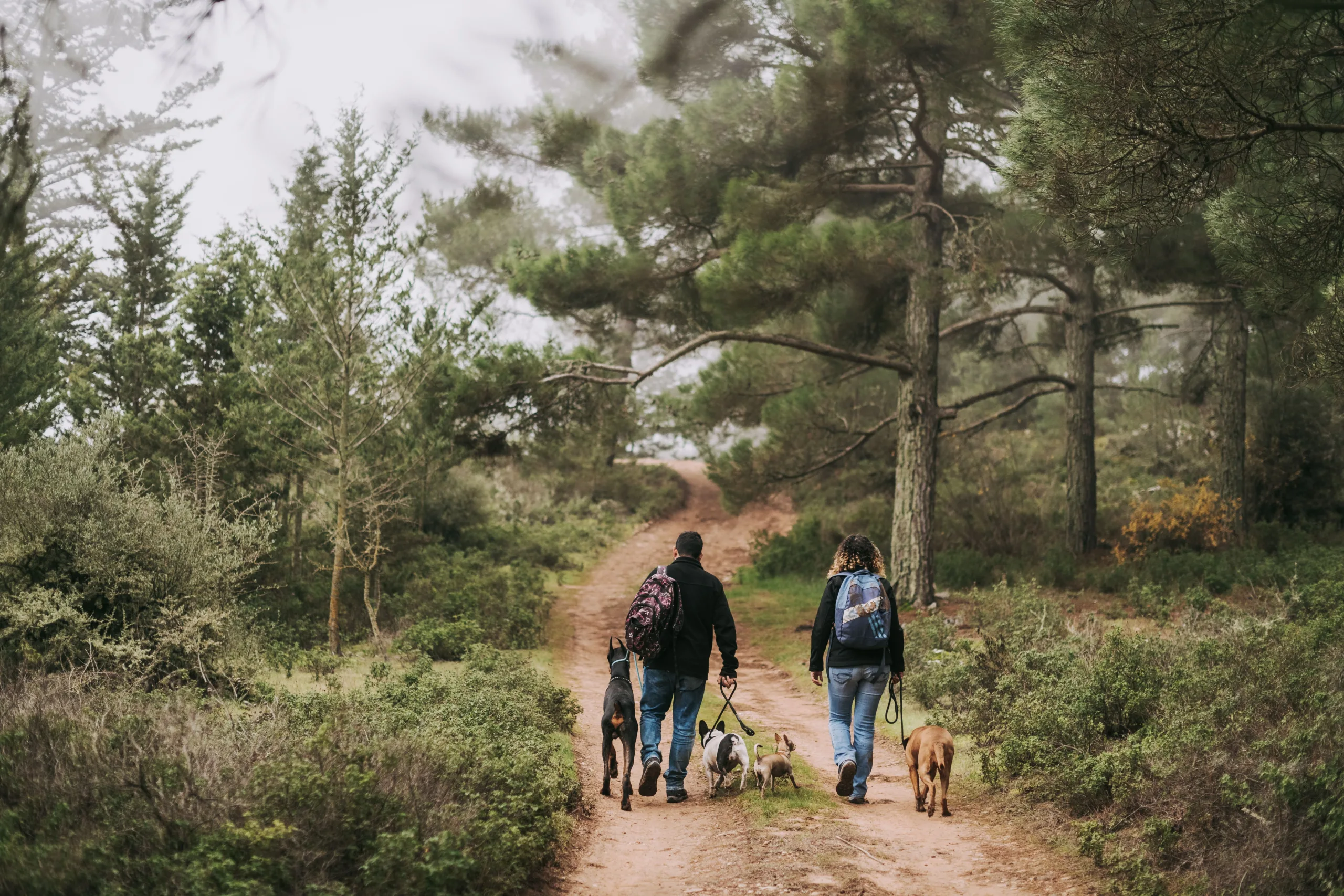
Hiking with your dog can be a rewarding way to exercise, explore nature, and strengthen your bond. However, trails can expose pets to heat, rough terrain, wildlife, toxic plants, and unexpected injuries. Proper preparation helps keep your dog safe, comfortable, and confident throughout the adventure.
Check Your Dog’s Fitness
Before choosing a trail, consider your dog’s age, breed, weight, and health. Puppies, senior dogs, flat-faced breeds, and pets with joint or breathing problems may struggle on long or steep hikes. Start with short, easy walks and gradually increase distance. A veterinary checkup is wise before beginning a demanding hiking routine.
Choose a Dog-Friendly Trail
Confirm that dogs are permitted on the trail and check local leash rules. Select a route suited to your dog’s experience and avoid sharp rocks, extreme elevation, crowded paths, or areas with dangerous wildlife. Review the weather forecast and trail conditions before leaving. During hot weather, hike early in the morning or later in the evening.
Pack Essential Supplies
Bring enough water for both you and your dog. Do not rely on streams, lakes, or puddles, because they may contain parasites, bacteria, or harmful algae. Carry a collapsible bowl, waste bags, treats, a leash, identification tags, and a basic pet first-aid kit. Longer hikes may also require dog food, a towel, and protective booties.
Use Secure Equipment
Choose a fitted harness that allows comfortable movement without rubbing. Attach a sturdy leash instead of a retractable model. Reflective gear and updated identification improve safety if visibility drops or separation occurs.
Protect Paws and Joints
Inspect the trail surface before starting. Hot rocks, sharp gravel, ice, thorns, and broken branches can damage paw pads. Test warm ground with your hand and use dog boots when necessary. Keep your dog at a steady pace and take frequent breaks. Avoid encouraging repeated jumping from high rocks, especially for dogs prone to joint problems.
Watch for Heat and Exhaustion
Dogs can overheat quickly because they do not cool themselves as efficiently as humans. Warning signs include excessive panting, drooling, weakness, confusion, vomiting, or collapse. Stop immediately, move to shade, offer small amounts of water, and cool the dog gradually. Severe symptoms require urgent veterinary care.
Prevent Wildlife Encounters
Keep your dog close and under control. A leash helps prevent chasing deer, snakes, livestock, or other dogs. It also reduces the risk of getting lost. Avoid allowing your pet to investigate animal remains, mushrooms, unknown plants, or standing water. After the hike, check the coat and skin carefully for ticks, burrs, cuts, and insect bites.
Respect Trail Etiquette
Yield to other hikers, horses, and cyclists when appropriate. Keep your dog from approaching strangers or pets without permission. Pick up waste and carry it out. Good trail manners protect wildlife, preserve natural areas, and make hiking more enjoyable for everyone.
Conclusion
Safe hiking with a dog requires planning, suitable trails, clean water, close supervision, and attention to physical warning signs. Build your dog’s endurance gradually and adjust the route when conditions change. With the right preparation and responsible trail behavior, you and your companion can enjoy healthy, memorable outdoor adventures together.