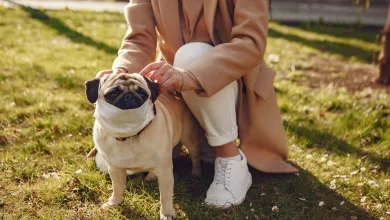
How to Train Your Dog for Search and Rescue
Search and rescue dogs play an important role in finding missing people during emergencies, disasters, wilderness searches, and other difficult situations. These dogs use their powerful sense of smell, focus, and training to locate human scent in different environments. While professional search and rescue work requires expert guidance and certification, basic training can begin at home with patience, consistency, and the right approach.
Choose the Right Dog
Not every dog is suited for search and rescue work. A good search and rescue dog should be healthy, energetic, confident, and eager to learn. Breeds such as German Shepherds, Labrador Retrievers, Belgian Malinois, Border Collies, and Golden Retrievers are often used, but mixed-breed dogs can also do well if they have the right temperament.
The dog should enjoy people, have a strong play drive, and not be easily scared by loud noises, crowds, or unfamiliar places. Physical fitness is also important because search work can involve long hours, rough ground, and changing weather.
Start With Basic Obedience
Before search and rescue training begins, your dog must understand basic commands. Teach simple cues such as sit, stay, come, down, heel, and leave it. These commands help keep the dog safe and controlled during training.
Reliable recall is especially important. A search dog must return when called, even in exciting or distracting environments. Practice obedience in different places, such as parks, fields, and quiet streets, so your dog learns to listen anywhere.
Build Motivation Through Play
Search and rescue training should feel like a game to the dog. Many trainers use toys, balls, tug ropes, or treats as rewards. The goal is to make the dog excited about finding a person because it knows a reward will follow.
Start with simple hide-and-seek games. Have someone hold your dog while you hide nearby. Call the dog’s name, then reward it happily when it finds you. Over time, increase the hiding distance and make the hiding spots more difficult.
Introduce Scent Training
A dog’s nose is its strongest tool. Scent training teaches the dog to follow human smell. Begin with short trails using a familiar person. Let the dog watch the person walk away, then encourage it to follow the scent trail.
As the dog improves, make the trails longer and add turns. Later, you can train in different environments such as grass, woods, buildings, or open fields. Keep sessions short and positive so the dog stays interested.
Teach an Alert Signal
A search dog must show clearly when it finds a person. This is called an alert. Some dogs bark, some sit, and others return to the handler and lead them back. Choose one alert style and train it consistently.
Reward the dog every time it gives the correct alert. Clear communication between dog and handler is essential during real search work.
Train in Different Conditions
Search and rescue dogs must work in many situations. Practice in different weather, surfaces, and locations. Gradually expose your dog to noise, vehicles, people, stairs, and uneven ground.
Do not rush this process. Confidence grows slowly. If your dog becomes nervous, return to easier training and build up again.
Work With Professionals
Real search and rescue work requires professional training, teamwork, and certification. Join a local search and rescue group or certified trainer if you want your dog to work officially. They can teach advanced skills, safety rules, search patterns, and emergency procedures.
Conclusion
Training a dog for search and rescue takes time, patience, and dedication. Start with obedience, build motivation through play, introduce scent work, and teach a clear alert signal. With proper guidance and regular practice, a suitable dog can develop valuable search skills. For real emergency work, always train with experienced professionals to ensure safety, accuracy, and readiness.