Hypoallergenic Cats You’ll Love
For many cat lovers, allergies can make owning a feline seem impossible. Sneezing, itchy eyes, and congestion are often triggered by a protein called Fel d 1, which is found in a cat’s saliva, skin, and dander rather than its fur. While no cat breed is completely allergy-free, some produce lower levels of this protein or shed less, making them a better choice for people with mild cat allergies. If you dream of sharing your home with a furry companion, these hypoallergenic cat breeds may help you enjoy the best of both worlds.
What Makes a Cat Hypoallergenic?
A common misconception is that cat hair causes allergies. In reality, the primary allergen is the Fel d 1 protein, which spreads onto the fur during grooming and then becomes airborne through dander. Hypoallergenic cats generally produce less of this protein or have coat types that release fewer allergens into the environment.
Even with these breeds, regular grooming, cleaning, and proper ventilation are important for minimizing allergy symptoms.
Siberian
The Siberian is one of the most popular breeds for allergy sufferers. Despite having a thick, luxurious coat, many Siberians naturally produce lower levels of the Fel d 1 protein than other cats. They are affectionate, playful, and highly intelligent, making them excellent companions for families and individuals alike.
Their friendly personality and love of interaction make them a favorite among cat enthusiasts.
Balinese
Often called the “long-haired Siamese,” the Balinese is known for its elegant appearance and affectionate nature. Surprisingly, this breed is considered relatively hypoallergenic because it may produce less Fel d 1 protein than many other cats.
Balinese cats enjoy spending time with their owners and are highly social. They thrive in homes where they receive plenty of attention and mental stimulation.
Russian Blue
The Russian Blue is admired for its striking silver-blue coat and bright green eyes. This breed has a dense double coat that helps trap allergens close to the skin, reducing the amount released into the air.
Russian Blues are gentle, intelligent, and loyal companions. They are generally quiet cats that bond closely with their families while maintaining an independent streak.
Devon Rex and Cornish Rex
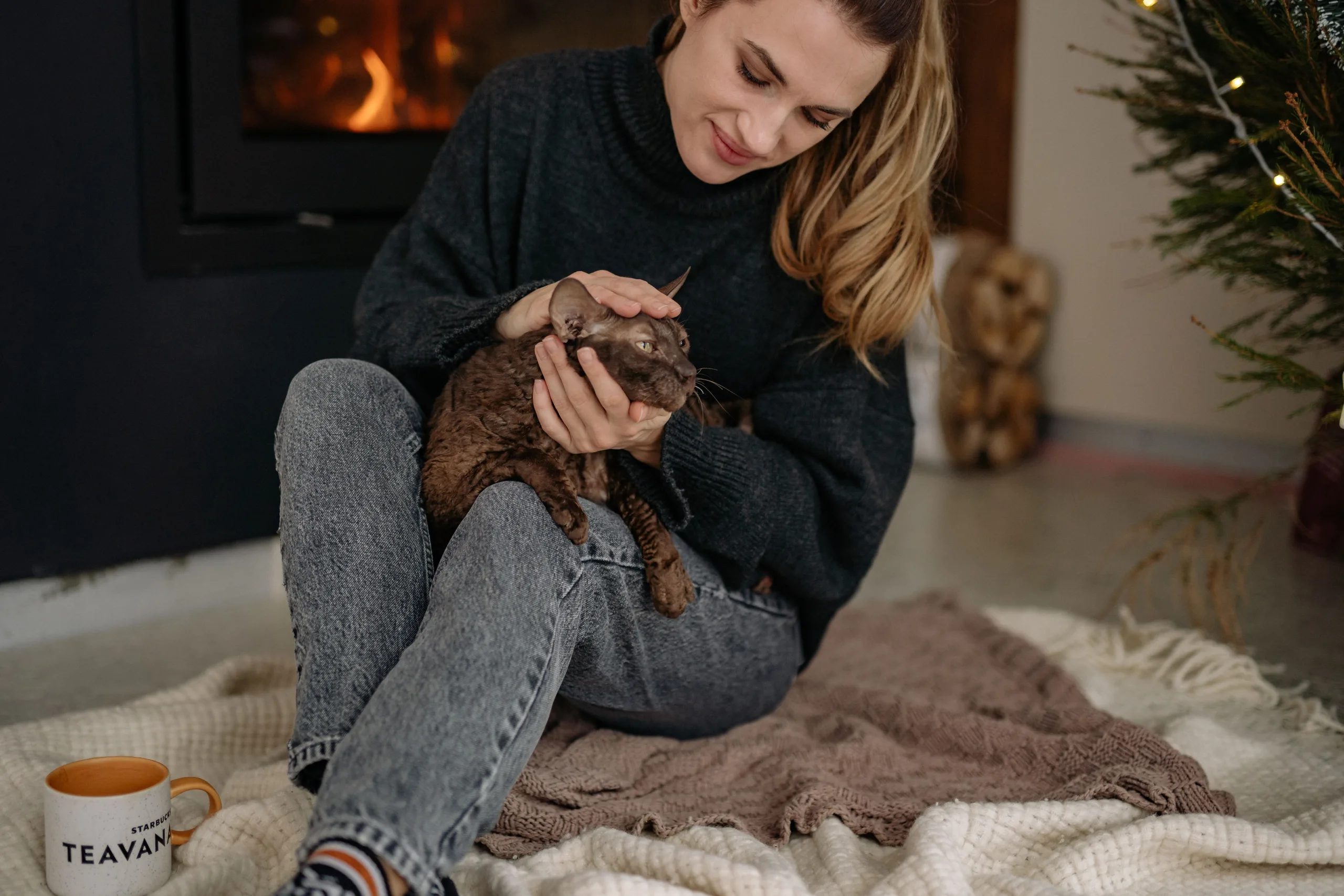
Both the Devon Rex and Cornish Rex have unique curly coats that shed very little compared to many other breeds. Because they have less fur, they often spread fewer allergens throughout the home.
These energetic and playful cats love climbing, exploring, and interacting with people. Their affectionate personalities make them wonderful companions for active households.
Sphynx
Although hairless, the Sphynx is not completely allergen-free. However, without a traditional coat to trap dander, allergens are easier to remove through regular bathing. This breed requires routine skin care but rewards owners with an outgoing and affectionate personality.
Sphynx cats enjoy being around people and often seek warmth by cuddling with their owners.
Tips for Living with Cat Allergies
Choosing a hypoallergenic breed is only part of the solution. Regular grooming, vacuuming with a HEPA filter, washing bedding frequently, and keeping cats out of the bedroom can significantly reduce allergen exposure. Washing your hands after handling your cat and using air purifiers may also help control allergy symptoms.
If possible, spend time with a specific breed before adopting to see how your body responds.
Conclusion
While no cat is completely hypoallergenic, several breeds are better suited for people with mild allergies. Siberians, Balinese, Russian Blues, Devon Rex, Cornish Rex, and Sphynx cats all offer unique personalities while potentially producing fewer allergens. Combined with good household hygiene and proper pet care, these breeds can help many allergy sufferers enjoy the companionship of a loving feline friend without sacrificing comfort.