Understanding Pet Insurance Policies
Introduction
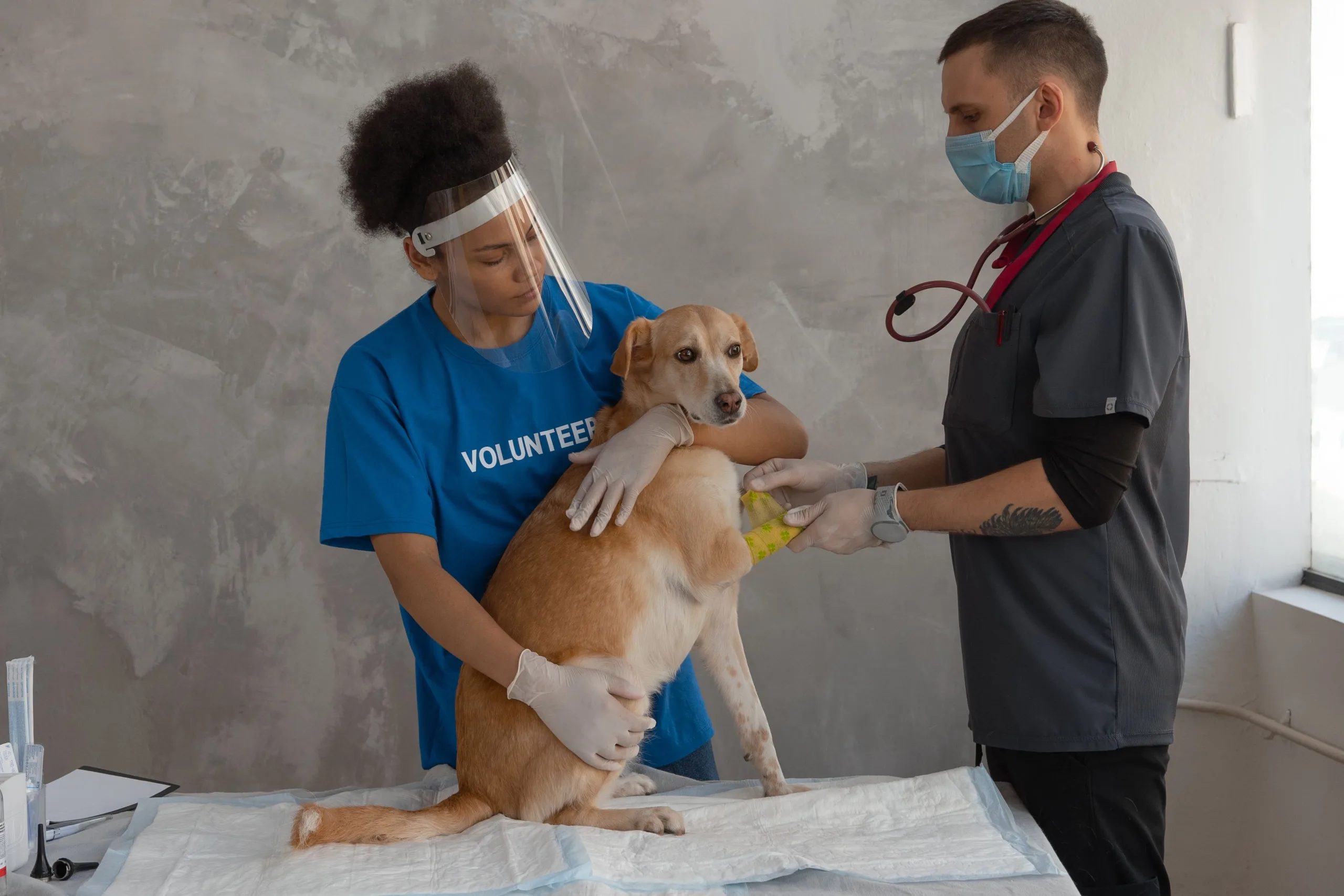
Pets are cherished members of the family, and keeping them healthy is a top priority for responsible owners. Veterinary care has advanced significantly over the years, offering treatments that can improve and extend a pet’s life. However, these treatments often come with high costs. Pet insurance is designed to help manage unexpected veterinary expenses, giving owners greater financial peace of mind. Choosing the right policy can seem confusing because of the different coverage options, exclusions, and pricing structures. Understanding how pet insurance works allows you to make informed decisions that protect both your pet’s health and your budget.
What Is Pet Insurance?
Pet insurance is a policy that helps cover eligible veterinary expenses if your pet becomes ill or injured. Most plans work on a reimbursement basis, meaning you pay the veterinarian first and then submit a claim to the insurance provider. Depending on your policy, the insurer reimburses a percentage of the covered costs after deductibles and other conditions are applied. Coverage and reimbursement rates vary between providers, so reading the policy carefully is essential.
Types of Coverage
Pet insurance policies generally fall into three categories. Accident-only plans cover injuries such as broken bones, cuts, or poisoning. Accident and illness plans provide broader protection by covering many diseases, infections, and chronic conditions in addition to accidents. Some companies also offer wellness or preventive care add-ons, which may help pay for vaccinations, routine checkups, dental cleanings, and annual screenings. Selecting the right type of coverage depends on your pet’s age, breed, and overall health needs.
Understanding Deductibles and Limits
Every insurance policy includes financial terms that affect your out-of-pocket costs. A deductible is the amount you must pay before insurance begins covering eligible expenses. Policies may also have annual, lifetime, or per-condition coverage limits that cap how much the insurer will reimburse. In addition, reimbursement rates commonly range from 70 to 90 percent of eligible veterinary bills. Reviewing these details helps you estimate potential expenses before purchasing a plan.
Know the Exclusions
No insurance policy covers every situation. Many providers exclude pre-existing conditions, cosmetic procedures, breeding-related expenses, and experimental treatments. Some plans also have waiting periods before coverage becomes active for certain illnesses or orthopedic conditions. Reading the exclusions carefully prevents surprises when filing a claim and ensures you understand exactly what your policy includes.
Choosing the Right Policy
When comparing pet insurance options, look beyond the monthly premium. Consider the deductible, reimbursement percentage, claim process, customer reviews, and coverage limits. Check whether your preferred veterinarian accepts the insurer’s claims process and whether specialist care or emergency treatment is covered. Comparing multiple policies helps you find the best balance between affordability and comprehensive protection.
Tips for Getting the Most Value
Enrolling your pet while they are young and healthy can provide broader coverage and lower premiums. Keep copies of medical records and veterinary receipts to simplify the claims process. Review your policy annually to ensure it continues to meet your pet’s changing healthcare needs. Staying informed about policy updates and renewal terms can also help you avoid unexpected changes in coverage.
Conclusion
Pet insurance can be a valuable investment for managing unexpected veterinary costs and ensuring your pet receives timely medical care. By understanding coverage options, deductibles, reimbursement rates, exclusions, and policy limits, you can choose a plan that fits your financial situation and your pet’s needs. Taking the time to compare policies and read the fine print helps you make a confident decision. With the right insurance in place, you can focus less on financial worries and more on giving your beloved companion a happy, healthy, and well-cared-for life.