Winter Pet Care Tips: Keeping Your Furry Friend Warm
Introduction
Winter can be a beautiful season, but it also brings challenges for pet owners. Cold temperatures, chilly winds, and shorter days can make it harder for pets to stay comfortable and healthy. Just like humans, pets can feel the effects of winter, especially when temperatures drop sharply. Keeping your furry friend warm is not only about comfort but also about protecting their health. With a few simple habits and thoughtful care, you can help your pet stay safe, warm, and happy throughout the colder months.
Provide a Warm and Comfortable Sleeping Area
One of the easiest ways to keep your pet warm in winter is by creating a cozy sleeping space. Pets should never sleep directly on cold floors, as this can lower their body temperature. Instead, provide a soft, thick bed placed in a warm area of the house, away from drafts and open windows.
Adding blankets or cushions can make the sleeping space even more comfortable. Older pets and short-haired breeds are especially sensitive to cold, so they may need extra layers. If your home gets very cold at night, consider moving your pet’s bed to a warmer room to help them stay comfortable while sleeping.
Dress Your Pet for the Weather
Not all pets need clothing, but some benefit greatly from wearing sweaters or jackets during winter. Small breeds, short-haired pets, and older animals often struggle to retain body heat. A well-fitted sweater can help keep them warm during outdoor walks or even indoors if the temperature is low.
Make sure clothing fits properly and does not restrict movement. Avoid overly tight outfits that can cause discomfort. If your pet seems uneasy while wearing clothes, introduce them gradually and observe their behavior. The goal is to keep them warm without causing stress.
Limit Outdoor Time During Extreme Cold
While pets enjoy outdoor activities, long exposure to cold weather can be harmful. During extremely cold days, it is best to shorten outdoor walks and playtime. Frostbite and hypothermia can occur if pets stay outside for too long in freezing conditions.
Watch for signs such as shivering, lifting paws off the ground, or whining. These signals often mean your pet is too cold and needs to return indoors. Try to schedule outdoor time during the warmer parts of the day, such as late morning or early afternoon, when temperatures are slightly higher.
Protect Paws From Cold Surfaces
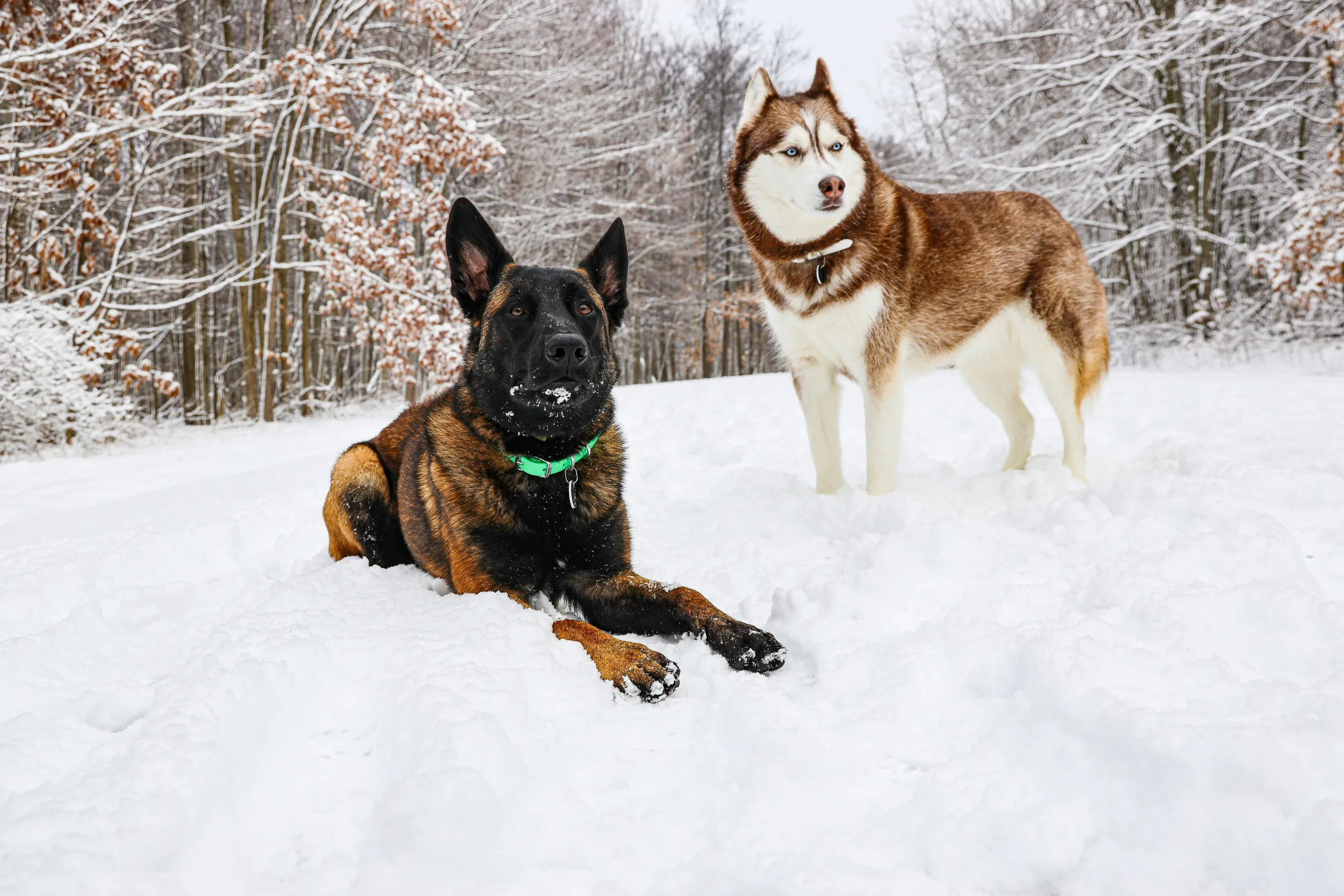
Winter surfaces like snow, ice, and frozen ground can be tough on your pet’s paws. Ice can cause cuts, while cold surfaces can dry out and crack paw pads. After walks, gently wipe your pet’s paws to remove ice, salt, or dirt that may stick to them.
Using pet-safe paw balms can help keep pads soft and prevent cracking. Some pet owners also use protective booties to shield paws from harsh conditions. While booties may take time for pets to get used to, they can be very helpful in areas with heavy snow or icy roads.
Maintain Proper Nutrition and Hydration
During winter, pets may burn more energy to stay warm, especially if they spend time outdoors. Providing balanced meals helps maintain their body heat and overall health. Always ensure fresh water is available, as dehydration can still occur in cold weather.
Indoor heating systems can make the air dry, which may increase thirst. Check your pet’s water bowl regularly to make sure it does not become empty or too cold. Proper nutrition and hydration play a big role in keeping pets strong and comfortable during winter.
Conclusion
Winter care for pets requires attention, planning, and a little extra effort. By providing a warm sleeping area, dressing them appropriately, limiting exposure to extreme cold, protecting their paws, and maintaining proper nutrition, you can help your furry friend stay safe and comfortable. These simple steps make a big difference in your pet’s well-being. With thoughtful care and awareness, you can ensure that winter remains a cozy and enjoyable season for both you and your beloved pet.