A Beginner’s Guide to Pet Grooming at Home
Pet grooming is an important part of keeping your furry companion clean, comfortable, and healthy. While professional grooming can be helpful, many basic grooming tasks can easily be done at home with the right tools and a little patience. Regular grooming can also strengthen the bond between you and your pet while helping you notice changes in their skin, coat, ears, or nails.
Start With the Right Grooming Tools
Before grooming your pet, gather the appropriate supplies. Depending on your pet’s coat and needs, you may need a brush or comb, pet-safe shampoo, towels, nail clippers, ear-cleaning solution, cotton pads, and a pet toothbrush. Choose tools designed specifically for animals rather than using human grooming products, which may irritate their skin.
Brush the Coat Regularly
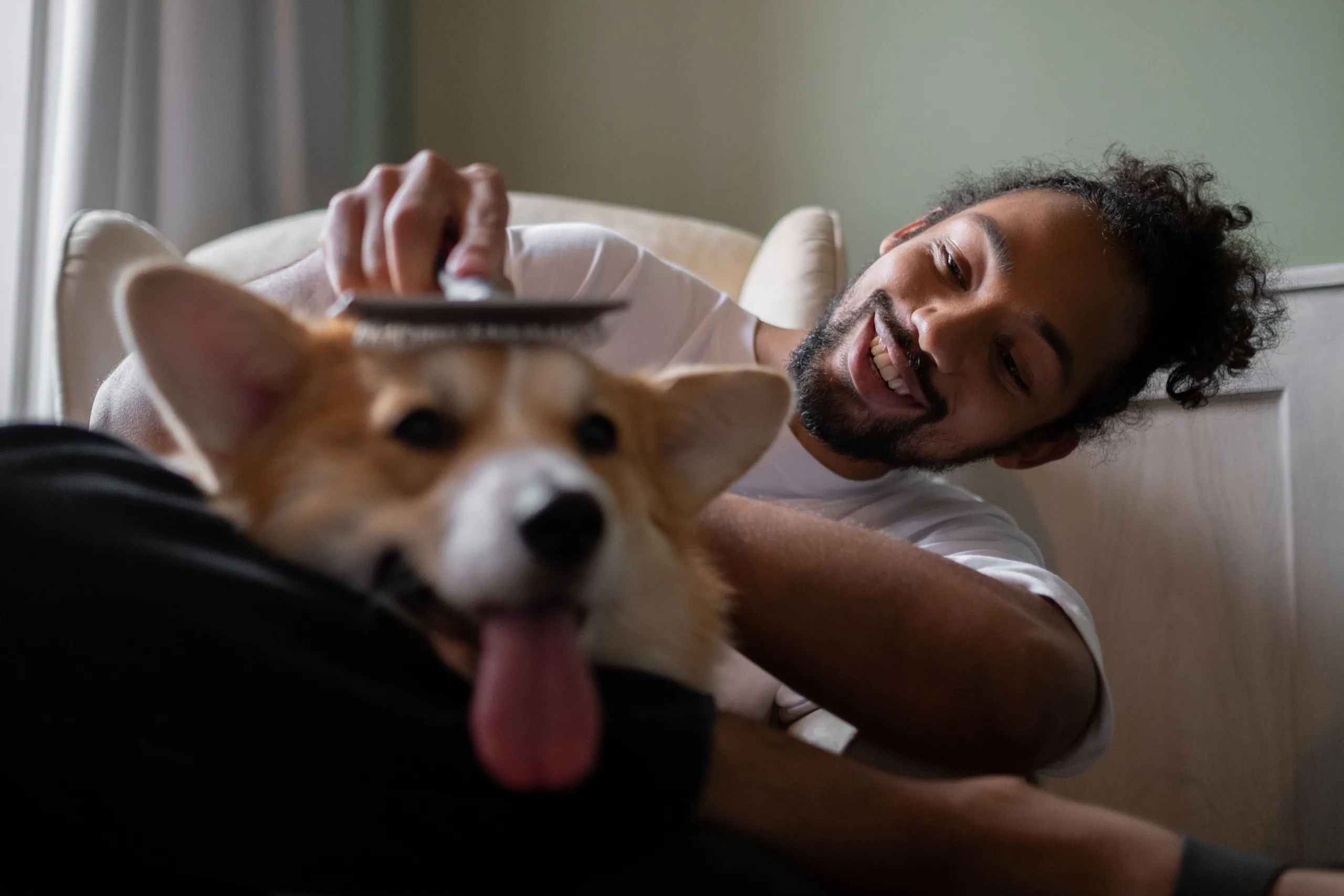
Brushing is one of the easiest grooming tasks to perform at home. It removes loose hair, dirt, and debris while helping prevent mats and tangles. Short-haired pets may only need brushing once or twice a week, while pets with long or thick coats may require more frequent grooming.
Brush gently in the direction of hair growth and pay attention to areas that commonly develop tangles, such as behind the ears, around the legs, and underneath the collar. If you encounter a severe mat, avoid pulling or cutting it yourself and consider asking a professional groomer for help.
Bathe Your Pet Safely
Not every pet needs frequent baths. Too many baths can remove natural oils from the skin and cause dryness or irritation. When a bath is necessary, use lukewarm water and a shampoo formulated specifically for pets.
Wet the coat thoroughly, apply the shampoo according to the product instructions, and rinse carefully. Make sure no shampoo remains on the skin. Keep water away from the eyes and inside of the ears. Afterward, towel-dry your pet and keep them warm until the coat is completely dry.
Keep Nails Trimmed
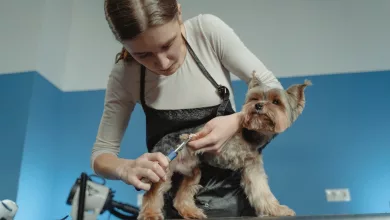
Overgrown nails can become uncomfortable and may affect the way your pet walks. Trim only the sharp tip of each nail and avoid cutting into the quick, which contains blood vessels and nerves. If your pet has dark nails and you cannot clearly see the quick, take extra care or ask a veterinarian or professional groomer to demonstrate the safest technique.
Clean Ears and Teeth
Regularly check your pet’s ears for unusual odor, redness, swelling, or excessive discharge. Use only a veterinarian-approved ear-cleaning product and never insert cotton swabs deep into the ear canal.
Dental care is also important. A pet-specific toothbrush and toothpaste can help maintain oral hygiene. Never use human toothpaste because some ingredients can be harmful to animals.
Make Grooming a Positive Experience
Introduce grooming gradually, especially if your pet is nervous. Start with short sessions and reward calm behavior with praise or appropriate treats. Avoid forcing your pet through a grooming session if they become frightened or aggressive. Taking breaks can make future sessions easier.
Know When to Seek Professional Help
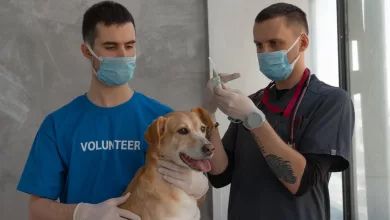
Home grooming is suitable for basic maintenance, but some situations require professional assistance. Severe matting, difficult nail trimming, skin problems, unusual lumps, ear infections, or significant behavioral challenges should be handled with help from a veterinarian or experienced groomer.
Conclusion
Grooming your pet at home can be a simple and rewarding routine when approached patiently. Regular brushing, occasional bathing, nail care, ear checks, and dental hygiene can help your pet stay comfortable and looking their best. Most importantly, make grooming calm and positive so your pet learns to associate these sessions with safety and care.