Aromatherapy Safety for Pets
Aromatherapy is often used to create a relaxing atmosphere, freshen rooms, or support personal wellness. However, when pets are part of the household, essential oils require extra caution. Dogs, cats, rabbits, birds, and other animals can react differently to concentrated plant compounds, and some oils that are considered safe for people may be harmful to pets. Understanding the potential risks can help pet owners create a safer home environment.
Why Essential Oils Can Be Risky for Pets
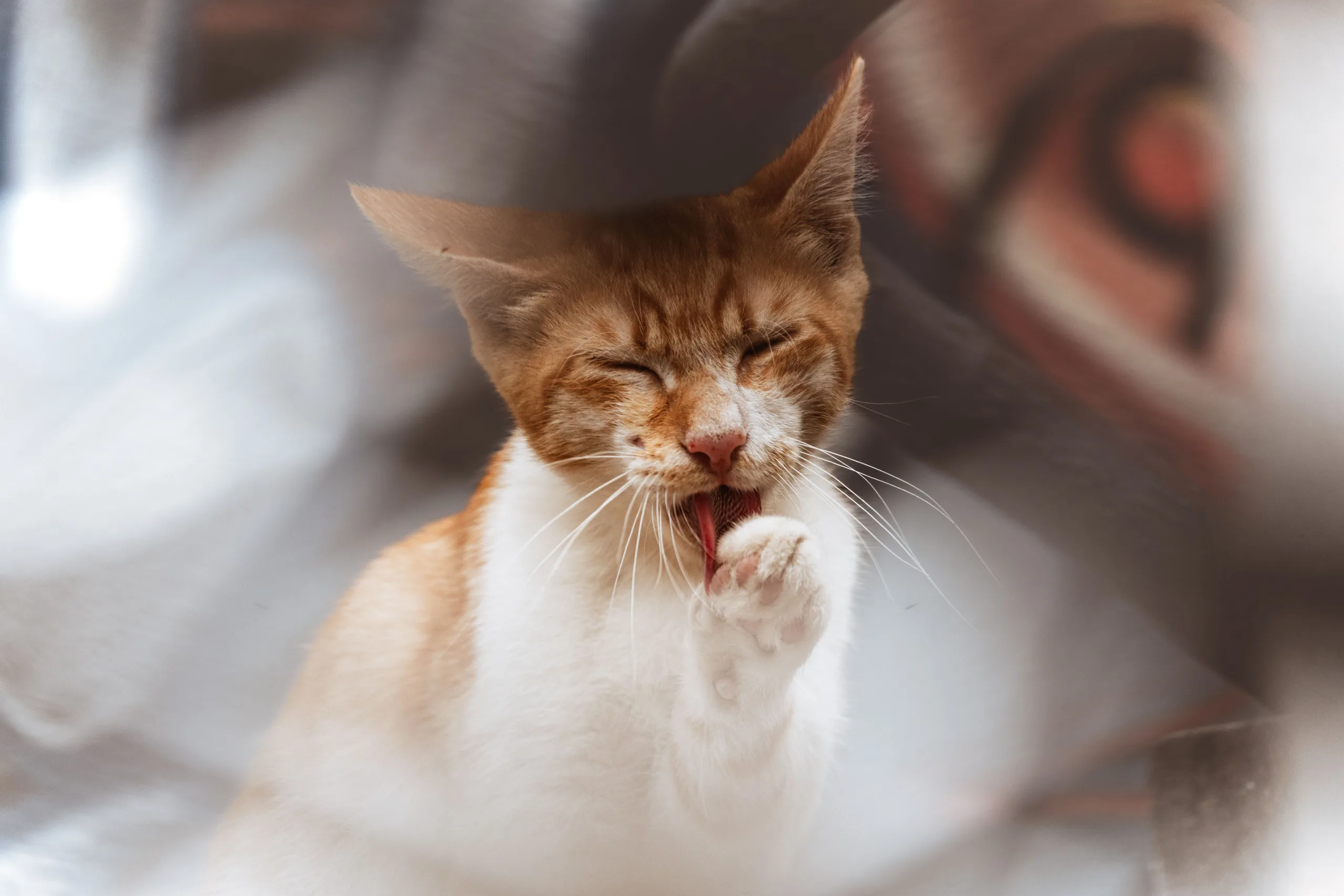
Essential oils are highly concentrated. Even a small amount may contain significant quantities of active plant compounds. Pets can be exposed by inhaling diffused oils, getting oil on their skin or fur, or accidentally licking spilled oil from their paws.
Cats may be particularly sensitive because their bodies have limited ability to process certain compounds found in essential oils. Birds also have highly sensitive respiratory systems, making airborne fragrances potentially dangerous for them.
Oils That Require Particular Caution
Pet owners should be especially careful with concentrated oils such as tea tree, eucalyptus, peppermint, cinnamon, clove, wintergreen, pine, and some citrus oils. The risks can vary depending on the species, concentration, method of exposure, and individual animal.
Because safety information can differ between animals, avoid assuming that an oil safe for a dog is automatically safe for a cat or another species.
Diffusers and Airborne Exposure
Using an essential oil diffuser does not eliminate the risk. Active compounds can enter the air and may cause respiratory irritation or other problems, particularly in pets with existing respiratory sensitivities.
If aromatherapy is used around pets, keep the animal away from the diffuser and provide good ventilation. Never place a diffuser in a small, enclosed area where a pet cannot escape the scented air.
Never Apply Essential Oils Directly
Undiluted essential oils should not be applied directly to a pet’s skin, coat, nose, or paws unless specifically recommended by a veterinarian. Pets may lick treated areas and ingest the oil during grooming. Topical exposure can also cause skin irritation or other adverse reactions.
Pet-specific products should be used according to their labels and, when necessary, with veterinary guidance.
Recognizing Possible Problems
Signs of essential-oil exposure can include drooling, vomiting, weakness, unusual behavior, coughing, difficulty breathing, tremors, or problems walking. The symptoms depend on the substance and amount involved.
If you suspect your pet has been exposed to a potentially toxic essential oil, remove the source and contact a veterinarian promptly. Do not induce vomiting unless a veterinary professional specifically instructs you to do so.
Safer Alternatives
For a pleasant-smelling home, consider non-fragranced cleaning products, regular ventilation, fresh air, and pet-safe odor-control methods. If you want to use aromatherapy, discuss the specific oil, concentration, and method with your veterinarian first.
Conclusion
Aromatherapy may be enjoyable for people, but essential oils are not automatically safe for pets. Concentrated oils can create risks through inhalation, skin contact, or ingestion. Keeping oils securely stored, avoiding direct application, providing ventilation, and consulting a veterinarian before using aromatherapy around animals can help protect your pets while maintaining a comfortable home.